What a Hail Roof Inspection Tells You About Your Home
After a hailstorm, most homeowners step outside and check their car first. Dents and cracked glass are hard to miss. The roof, on the other hand, stays out of sight, so its damage often goes unnoticed until a leak appears weeks or months later. By then, the water may have already soaked the insulation, stained the ceilings, or caused mold to grow. A proper roof inspection after hail can save you from those hidden problems.
Hail comes in different sizes and speeds. Even small stones, when driven by high wind, can bruise asphalt shingles and strip away the protective granules. Larger hail can punch holes, crack tiles, or dent metal panels. The damage is not always obvious from the ground. You might see a few loose granules in the gutter and think nothing of it, but the roof itself could have several compromised shingles that no longer keep water out.
What happens during a hail roof inspection
A thorough hail roof inspection starts with a careful walk of the roof surface. The inspector looks for impact marks, which often appear as small dark spots on asphalt shingles. These marks show where the hail hit hard enough to knock off the surface granules. When granules are missing, the underlying asphalt is exposed to sunlight and weather, which accelerates aging. Over time, those spots can crack and allow water to enter.
Another key sign is bruising. Even if the shingle is not broken, a heavy hailstone can compress the asphalt, making the shingle feel soft or spongy underfoot. This is sometimes called soft hail damage. A shingle that has been bruised may look fine from above but has lost some of its structural strength. It may not seal properly against the next rainstorm.
Checking flashings and edges
Flashings are the metal or rubber strips that seal the edges of the roof where it meets walls, chimneys, or vents. Hail can dent or loosen these flashings, which then create gaps for water to run behind the shingles. The inspector will also examine the ridge caps and the drip edge. If the hail bent the metal drip edge, water might no longer flow cleanly into the gutter, which can lead to rot along the fascia board.

Underlayment and leak detection
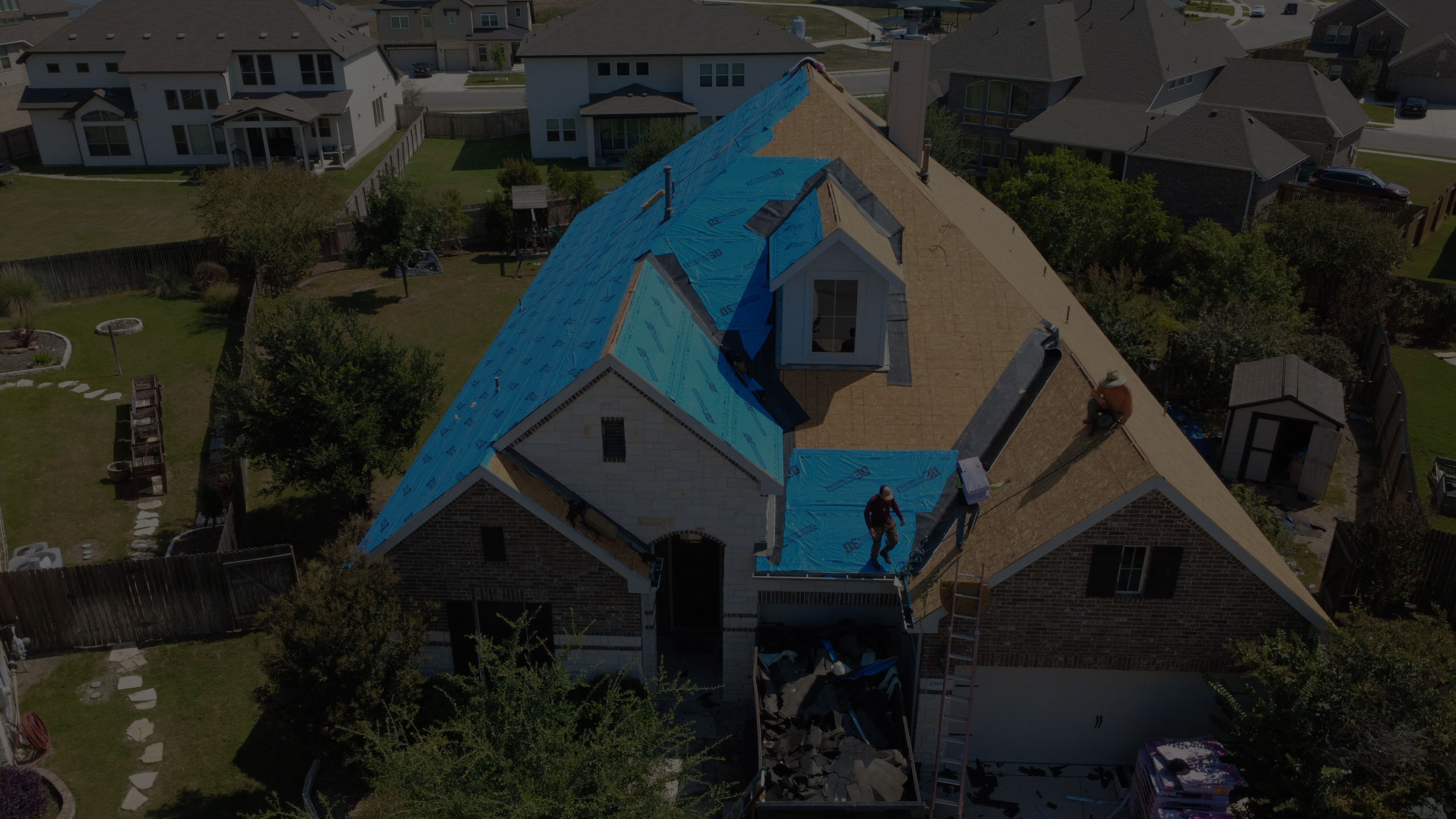
Under the shingles lies the underlayment, a waterproof membrane that acts as the last line of defense. If the underlayment is damaged or exposed due to missing shingles, the roof deck becomes vulnerable to moisture. A good inspection includes looking for signs of underlayment damage, such as tears or exposed felt caused by the impact of large hail. Sometimes the inspector will also check the attic for water stains or damp insulation, which can confirm that the roof has already leaked even if no water is currently dripping.
Why you should not wait to schedule an inspection
Hail damage can worsen over time. A shingle with a small crack may not leak right away, but after a few freeze-thaw cycles, that crack can grow. Wind can lift the edges of loose shingles and tear them off during the next storm. The longer you wait, the more likely you are to face interior water damage and the cost of replacing not just the shingles but also the decking underneath.
Insurance companies often have time limits for filing claims after a storm. Waiting too long can mean your claim is denied or that the damage is considered pre-existing. An inspection done soon after the storm provides clear documentation of the damage, which helps when you file your claim. Photographs of impact marks, granule loss, and any displaced flashings can make the process smoother.
What to look for on your own before calling a professional
While a professional inspection is the best way to assess the full extent of damage, you can do a quick check from the ground or a ladder. Look for these common signs:
- Granules in the gutters or downspouts after a storm
- Visible dark spots or dimples on the surface of asphalt shingles
- Dents on metal flashings, vents, or roof jacks
- Loose or lifted shingle edges
- Bent or dented ridge caps
If you see any of these, you have reason to schedule a full hail roof inspection. Keep in mind that some damage is not visible from the ground. A professional inspector has the training and experience to identify subtle problems like soft hail damage or granule loss that you might miss.
How the inspection helps with insurance claims
One of the most practical reasons to get an inspection after a hailstorm is insurance documentation. Adjusters need clear evidence that the damage was caused by hail and not by normal wear and tear. A detailed inspection report that includes photos of impact marks, grain loss, and any compromised shingles can support your claim. It also gives the adjuster a clear picture of what needs to be repaired or replaced.
If you wait too long, the damage may blend in with older wear, making it harder to prove that the hail caused it. That is why many experts suggest scheduling the inspection within a few days of the storm, while the evidence is still fresh.
What a typical inspection covers
A professional inspection usually includes a check of the entire roof surface, including all slopes and planes. The inspector will note the type of roofing material and its age, because older roofs are more likely to have underlying issues that hail can worsen. They will examine every flashing, vent boot, and pipe penetration. They will also check the gutters and downspouts for granule loss and debris that could indicate damage higher up.
The attic is also part of the inspection. By looking at the underside of the roof deck, the inspector can find signs of past or current leaks. Water stains, damp wood, or mold suggest that the roof has already failed at some point. That information matters because it tells you whether the hail damage is the main problem or just the latest blow to an already weakened roof.
When to repair and when to replace
Not every hailstorm requires a full roof replacement. Minor damage, such as a few cracked shingles or a dented flashing, can often be repaired. But when the damage is widespread, or when the underlayment has been exposed over large areas, replacement may be the better choice. The inspector can help you understand the trade-off: repairing a few spots now might save money upfront, but if the roof is near the end of its service life, replacement could be more cost-effective in the long run.
Another factor is the age of the roof. Asphalt shingles that are more than fifteen years old may have lost some of their original flexibility. Hail damage that would have been repairable on a newer roof may cause more extensive cracking on an older one. The inspector will consider these variables when recommending a course of action.
What to expect after the inspection
After the inspection, you should receive a written report that describes the damage and includes photographs. The report should also state whether the roof is currently leaking or at risk of leaking soon. Some inspectors will provide a repair estimate, while others leave that to the contractor who will do the work. If you plan to file an insurance claim, keep a copy of the report for your records.

If the inspector finds that the roof needs repairs, get them done as soon as possible. A small leak that goes unaddressed can lead to mold growth, rot, and structural damage that costs far more to fix than the original roof repair would have. In many cases, prompt repairs also help your insurance claim by showing that you acted responsibly to prevent further damage.
A thorough inspection after a hailstorm is not just about finding dents. It is about protecting your home from the slow, hidden damage that water can cause. Whether you handle the repairs yourself or hire a contractor, the information from the inspection gives you a clear path forward.